📣 Our MCP server is now available to ALL paying customers, enabling you to connect PlantPredict to your favorite AI tools like Claude. Learn more →
✕

In a world where accurate energy predictions can determine the success of utility-scale solar investments, PlantPredict stands out as an exceptional performance modeling tool. This innovative software empowers engineers, analysts, and developers to efficiently and confidently model real-world energy yields.
Whether you're checking system designs, evaluating site conditions, or benchmarking against PVSyst, PlantPredict simplifies the process while maintaining high precision. In this post, we'll explore how to get started with PlantPredict, its essential features, its benefits, and how it compares to other solar software.
To get started with Utility-Scale Solar Projects and PlantPredict, we recommend that you first master key industry-specific terms and familiarize yourself with the user-friendly interface of the software.
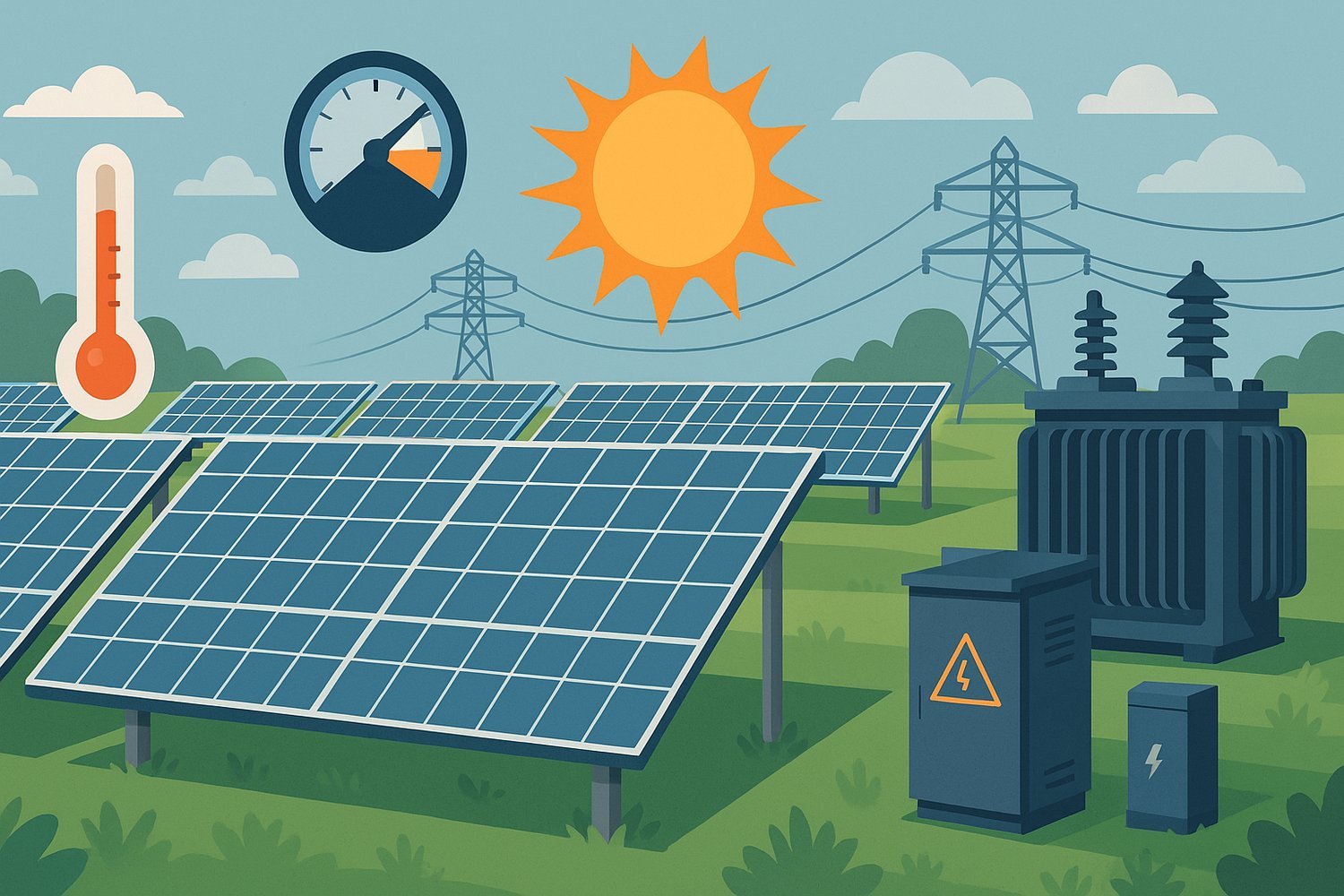
The PV industry is based on unique technology, requiring you to master a specialized set of terms unique to this industry. The solar industry glossary can be segregated into four broader categories: Foundational Terms, System Design Metrics, Performance Analysis, and Loss & Optimization. I have provided a total of 29 terms for you to master in the table below.
Learn more: Link
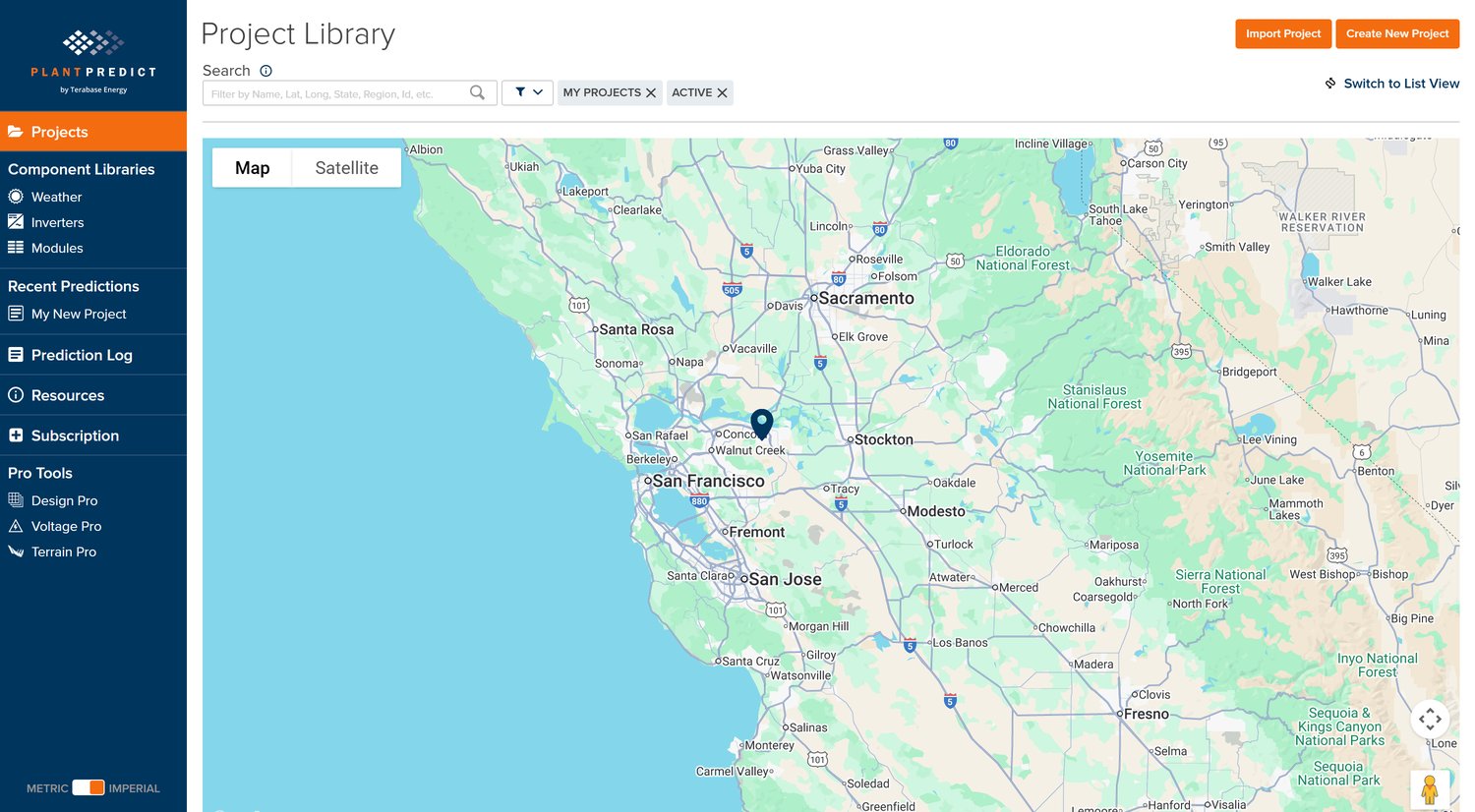
PlantPredict comes with a highly interactive and user-friendly interface. It has a GUI - Graphical User Interface, that enables any non-tech-savvy individual to interact with the software and make the most out of its features without getting overwhelmed by the complexities of the calculations that are happening in the background.
PlantPredict is designed to deliver output from multiple complex inputs like weather data, terrain data, and PV module specifications - all of which seem so effortless on its interactive GUI.
A simple and self-explanatory user interface also encourages new learners to choose PlantPredict over other tools, as it is easier to get the hang of and comes with a relatively easy learning curve.
Learn more: Link
PlantPredict has a long history as a performance model dating back to 2007. It was first released for public use by First Solar in 2016. In 2021, Terabase Energy acquired PlantPredict from First Solar and integrated it into its Utility-Scale Solar modeling portfolio. In the last decade, PlantPredict has been used around the world by industry-leading developers, independent engineers, EPCs, researchers, and O&M providers to model Tera-Watts of systems and scenarios.
Today PlantPredict is the backbone of Terabase's cloud-based digital platform, driving tools for site design, layout optimization, earthwork assessment, string size optimization, cost estimation, and reliable yield forecasting for utility-scale solar projects. Below are key features of this cloud-based software.

What is it?: PlantPredict is a solar energy modeling software that delivers plant capacity predictions for large-scale Utility-Scale Solar systems. All you need to provide is the boundary, constraints, and equipment configurations.
How it makes an impact: With PlantPredict, you can efficiently conduct site capacity assessments and identify locations that meet clients' requirements. Below is a list of things you can do in PlantPredict:
This rapid capacity assessment in PlantPredict can dramatically save engineering hours and boost portfolio ROI.
Learn more: Link
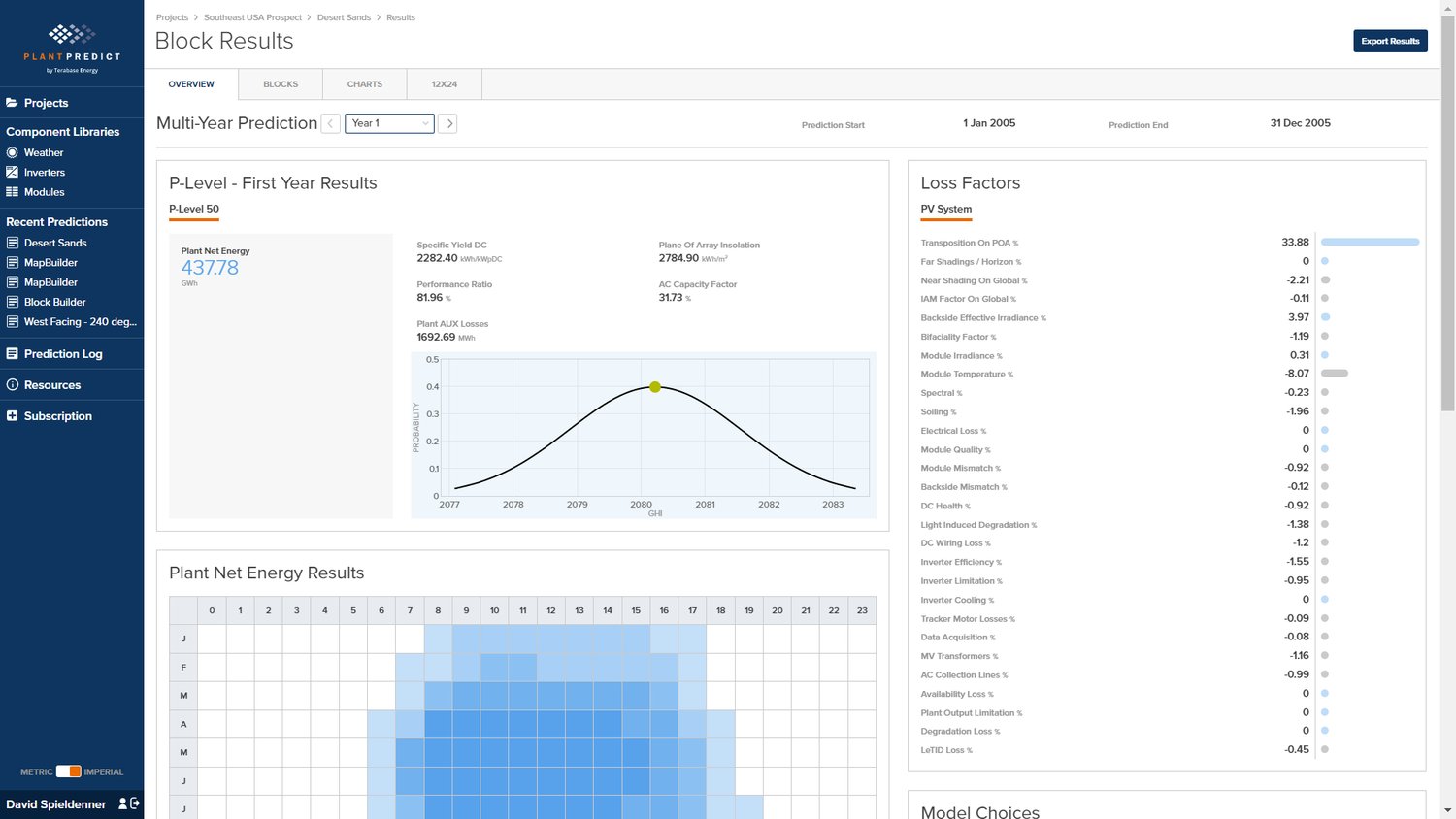
What is it?: After completing an energy prediction in PlantPredict, you can download the Plant Summary as a PDF and the 8760 report (which details energy generation over the 8760 hours of a year) as an Excel file.
How it makes an impact: The Summary Report and the 8760 Report provide stakeholders with detailed assessments of both inputs and results. The extensive information included will aid in enhancing bankability efforts. Additionally, these reports are beneficial as they validate design choices and reduce risks early in the project.
Learn more: Link
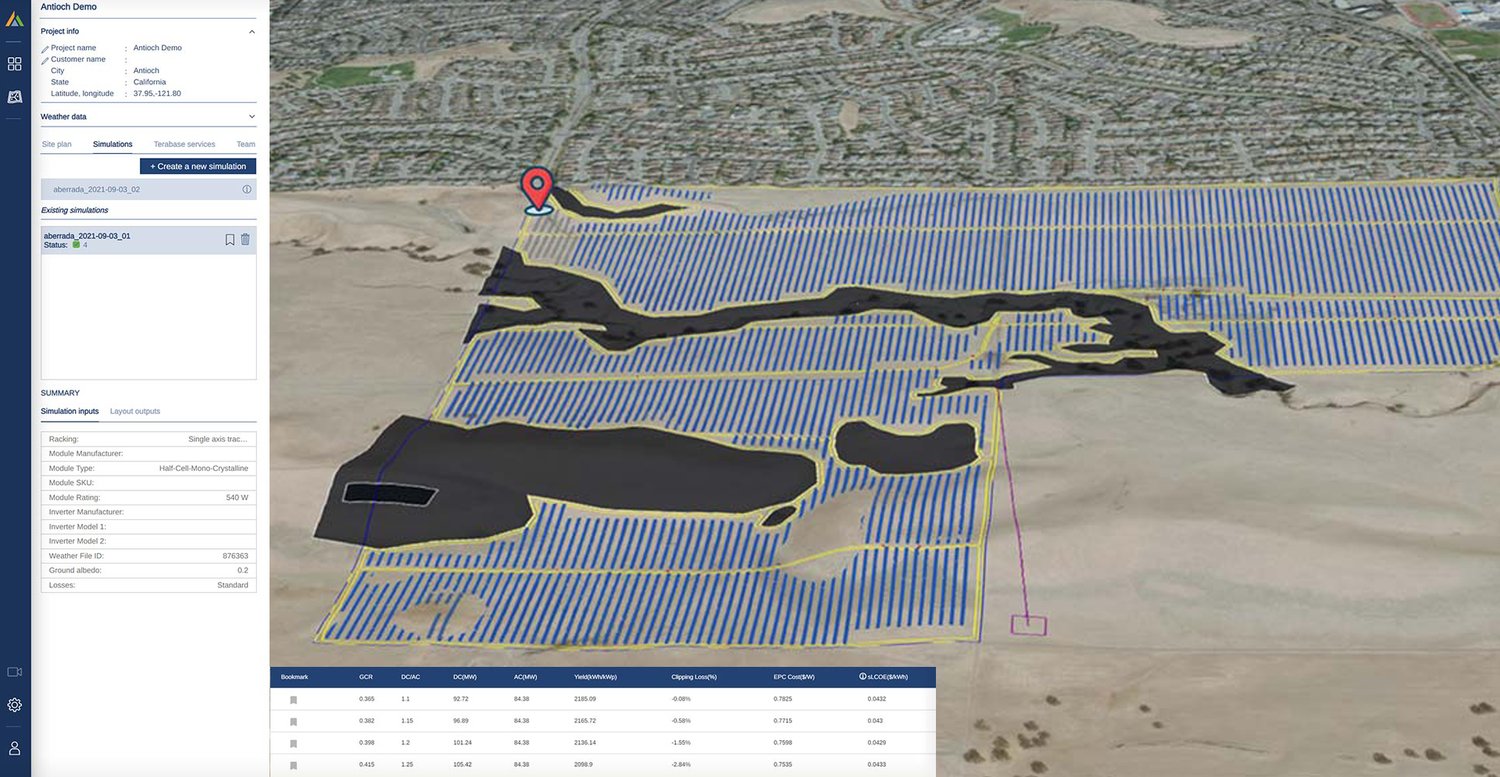
What is it?: Design Pro is the PlantPredict Pro module used to efficiently optimize large scale PV power plants using financial metrics. With Design Pro you can create site layout scenarios, predict energy yields, generate a Bill of Quantities, estimate EPC cost, and conduct LCOE analysis through multi-year cash flows — all within a collaborative environment.
How it makes an impact: Design Pro delivers more in depth cost and financial analysis for utility-scale site designs across multiple design scenarios, thus facilitating design optimization using financial metrics. You should utilize Design Pro after you screen sites in PlantPredict. In Design Pro, you can collaborate with other team members and also download a KML file once the design is established.
Learn more: [Link]
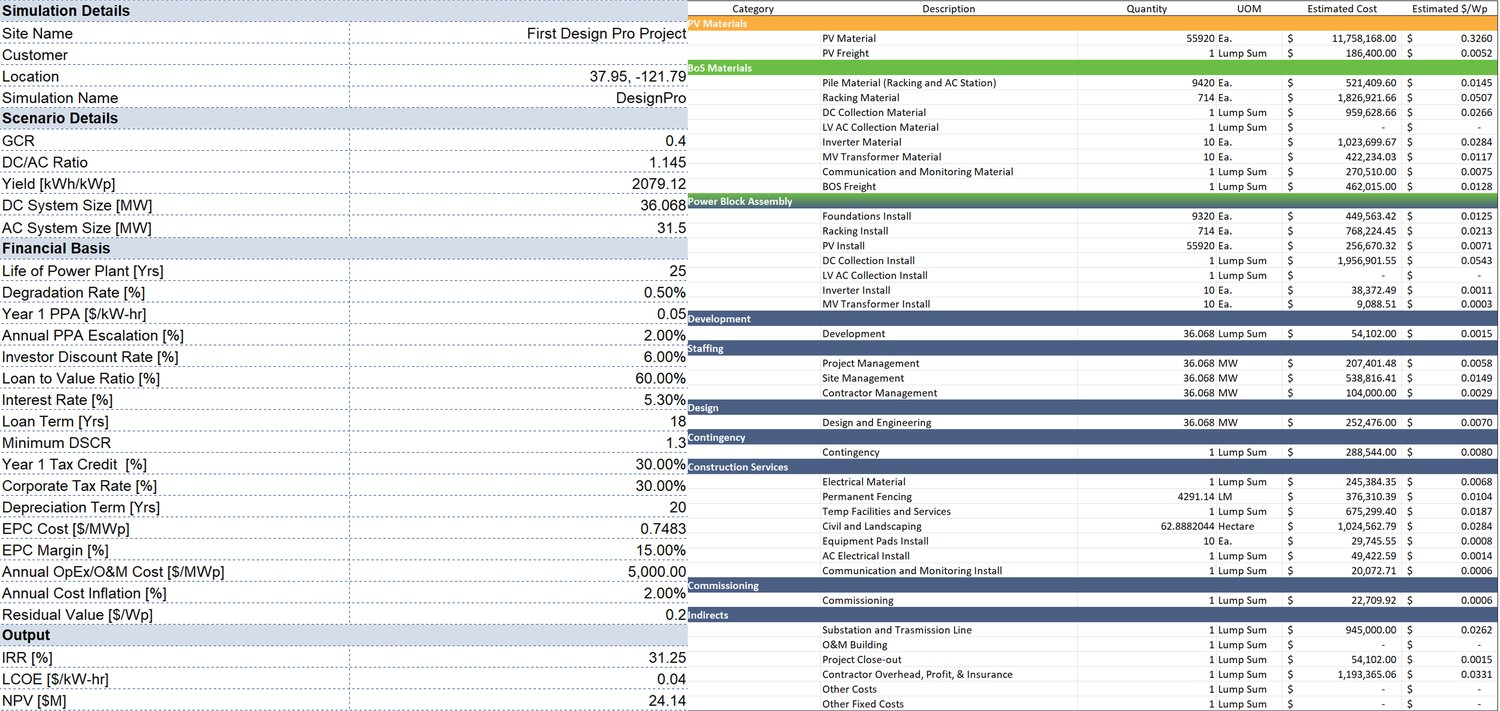
What is it?: Levelized Cost of Energy (LCOE) estimates the total cost per unit of electricity generated by a solar project over the course of its lifetime. Once you finalize your model in Design Pro, you can generate LCOE and other financial estimates associated with your Utility-Scale Solar Project.
How it makes an impact?: These advanced financial estimates offer a clear picture of a project's financial outlook, giving developers and stakeholders the insights they need before moving ahead with execution. By using Design Pro, a variety of important financial reports and outputs are produced:
Among these, metrics like LCOE, IRR, and NPV play a central role. These figures help investors and lenders evaluate a project's financial health, its potential for profitability, and the risks involved. With reliable data in hand, it's easier to compare different options and make confident decisions when it comes to securing financing.
Learn more: Link
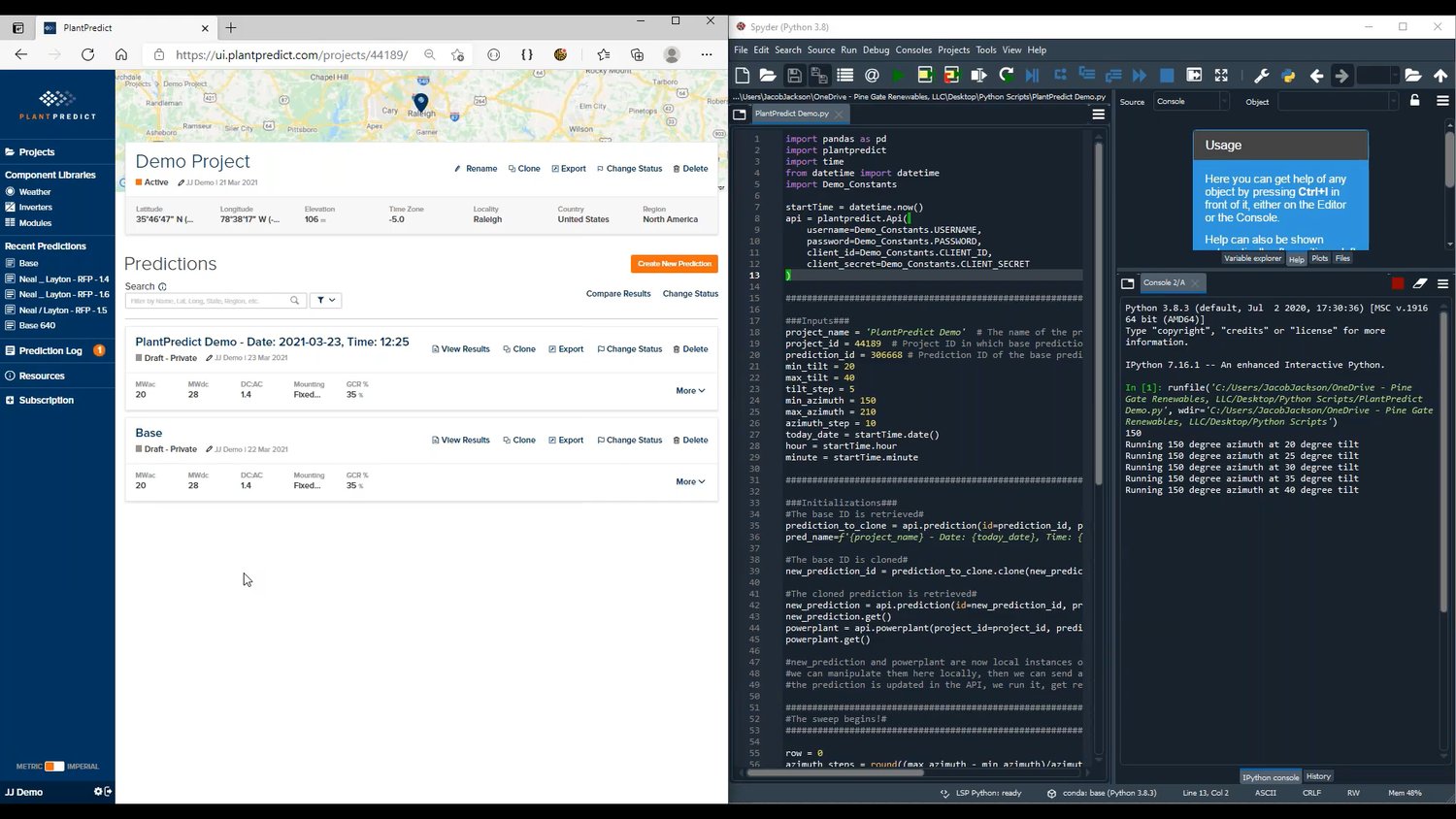
What is it?: PlantPredict provides efficient large batch simulation processing through both its user interface and its powerful Performance API (Application Programming Interface). While batch predictions can be created directly in the UI, the API takes this further by allowing users to programmatically perform nearly everything that can be done manually. PlantPredict also provides an open-source Python SDK, making it easy for developers to build solutions and automate processes at scale. This approach is perfect for portfolio-sized projects and for site selection opportunities.
How it makes an impact: While batch predictions can be created directly in the UI, the API unlocks a much broader capability of automating tasks in PlantPredict. This enables engineers to run multiple configurations, compare results, and integrate modeling into custom analytics dashboards in minutes, rather than days.
Learn more: Link
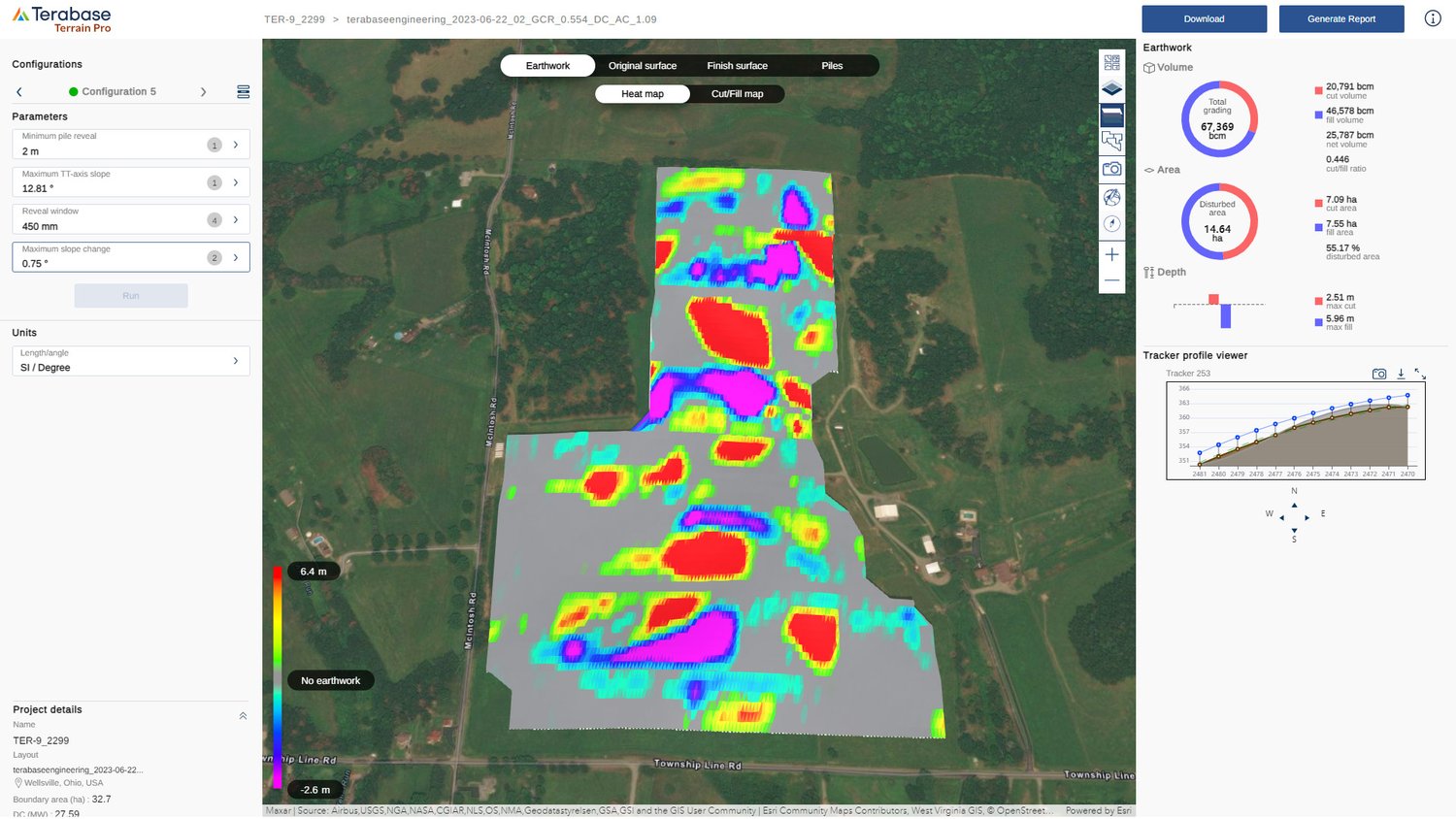
What is it?: Terrain Pro is a powerful earthwork modeling tool for solar projects that calculates bank cut and fill volumes by taking into consideration existing contours and mounting specifications.
How it makes an impact: Earthwork is a significant task in a utility-scale solar project, and Terrain Pro provides realistic cut-fill estimates early in the process. This leads to cost savings and prevents construction surprises later on. Terrain Pro features built-in configuration for terrain-following trackers, including Horizon, OmniTrack, and DuraTrack.
In addition to earthwork calculations, Terrain Pro offers the following features:
Learn more: Link
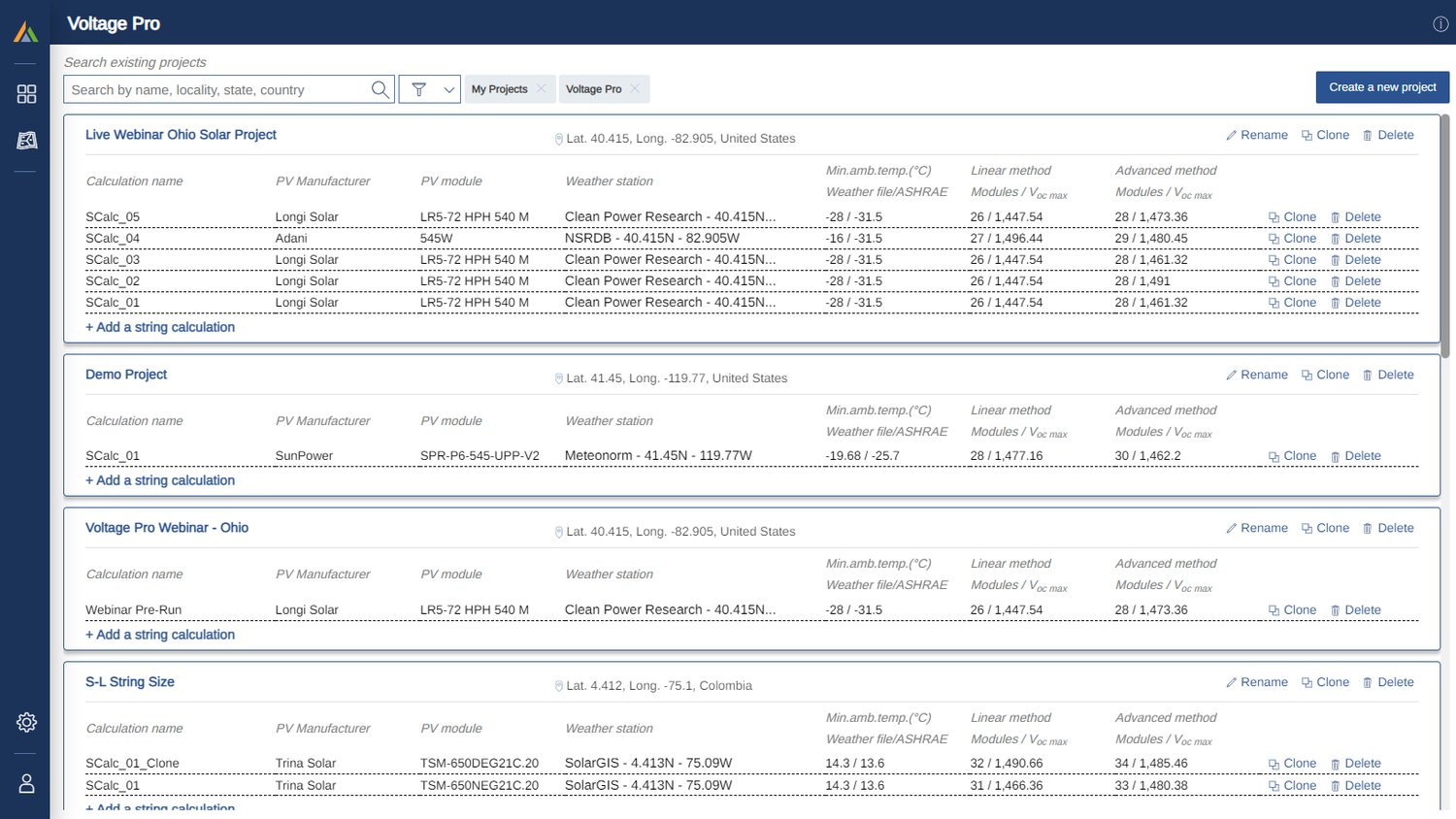
What is it?: Voltage Pro is designed to maximize string lengths in utility-scale solar projects by providing simulation-based string sizing calculations through advanced modeling techniques instead of simple linear calculations using module datasheet information.
How it makes an impact: Voltage Pro addresses a significant gap in the solar industry by providing precise string sizing, incorporating appropriate safety factors, and utilizing over 20 years of weather data. This methodology helps to move away from the overly cautious strategies that often lead to lost revenue.
Learn more: Link
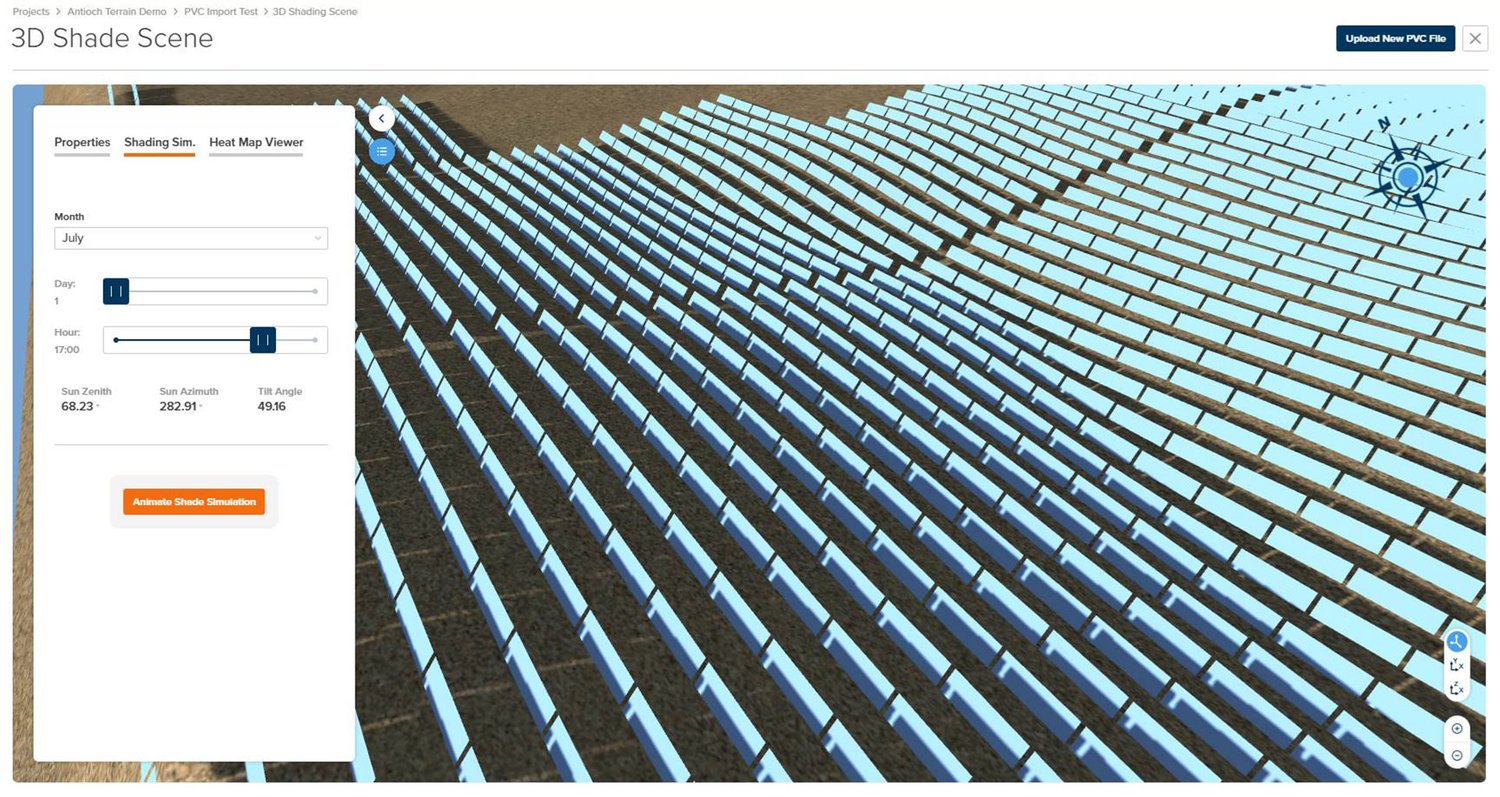
What is it?: The 3D shade modeling tool is an interactive visualization tool that simulates shading impact and terrain features in realistic 3D environments within PlantPredict. It replicates shading from terrain and array configurations to help make correct design decisions.
How it makes an impact: 3D shade modeling plays a crucial role in improving yield accuracy for modeling and layout planning. This approach considers real-world factors, such as obstructions, slope geometry, and solar variations over time, which helps bridge the divide between flat 2D assumptions and the actual site conditions. The result? A more precise outcome that can significantly affect project economics by preventing expensive errors throughout a project's duration.
Learn more: Link
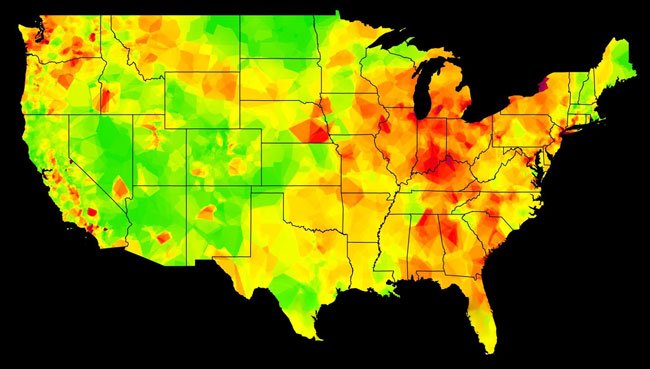
What is it?: Soiling analysis is a modeling component of PlantPredict that simulates loss of efficiency due to dust, pollen, sand, and pollution based on environmental data, wind speed, and regional cleaning cycles. PlantPredict integrates with industry-leading soiling models of PVRADAR and Fracsun CLEO to import site-specific soiling factors.
How it makes an impact: Traditionally, soiling loss is calculated at 2% of total yield each month, based on an average derived over a specific period. However, this 2% figure does not provide an accurate basis for strategizing cleaning efforts or maximizing their benefits.
Therefore, conducting a precise soiling analysis can enhance yield predictions by taking into account real-world soiling data, which can, in turn, help optimize cleaning schedules.
Learn more: Link
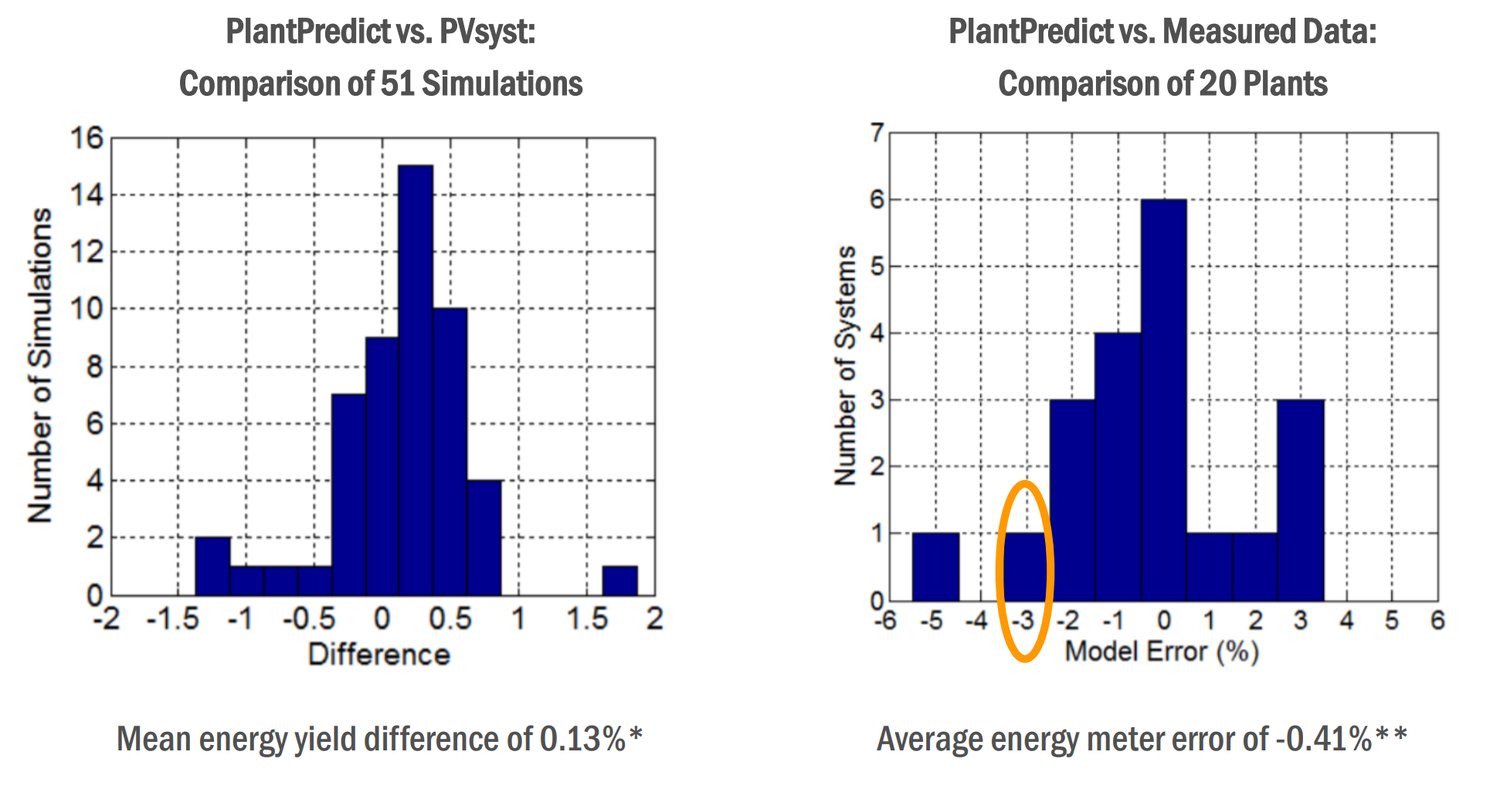
PlantPredict is an accurate solar modeling platform that has been independently benchmarked against more than 1 GW of operational photovoltaic (PV) assets and validated by leading independent engineering firms including Black & Veatch, ICF and Leidos. With over a decade track record in the large-scale solar industry and differentiated technical features (i.e., sub-hourly predictions), it has earned the trust of leading developers, engineers, construction (EPC) firms, and financial stakeholders.
Learn more: Link
Cloud-based platforms bring significant benefits compared to traditional desktop software, particularly when it comes to high-performance solar modeling. As a solution built entirely in the cloud, PlantPredict provides engineers, analysts, and developers with improved speed, collaboration, and scalability. Here are five key advantages:
Learn more: Link
PlantPredict is designed with user experience in mind, making it easy for both beginners and seasoned professionals to model utility-scale solar projects feasibly. The interface is very intuitive, making it easy for users to set up and run predictions without unnecessary complexity.
PlantPredict works seamlessly with Terabase's design tools — Design Pro, Terrain Pro, and Voltage Pro — to create a smooth and integrated workflow for utility-scale solar projects. These tools come together to streamline every part of the process, from energy predictions and layout optimization to terrain analysis and string size maximization. This means that designing projects becomes quicker, more precise, and a lot less stressful.
Join hundreds of organizations that trust PlantPredict for bankable energy predictions. Start with a free account, get a free trial of Pro features, or book a demo with our team.